




















































1 The Challenge
Cloud IaaS is used extensively to develop, deliver new applications, and reengineer existing ones. This is often because cloud services provide an environment for accelerated development without the need for capital expenditure and avoids lengthy procurement delays to obtain hardware. However, this also creates challenges, in particular security as a shared responsibility, and this increases complexity since each cloud service provides security capabilities in diverse ways. While the Cloud Service Providers (CSPs) must take steps to secure the service they provide, it is up to the customer to secure the way they use the service. Cloud-Native Application Protection Platforms (CNAPP) are intended to reduce complexity by helping organizations using multiple cloud services to identify and manage the risks for which they have responsibility.
1.1 Shared Responsibility for Security and Compliance
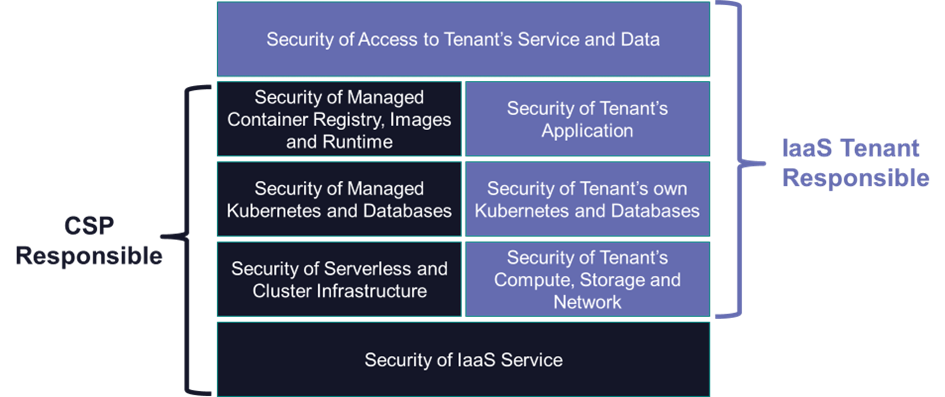
Figure 1: How responsibilities for security and compliance are shared
The customer does not manage or control the underlying cloud infrastructure but is responsible for managing everything above the service provided. The customer also remains responsible for compliance with laws and regulations governing the processing of their data. How these responsibilities for IaaS are shared is illustrated in Figure 1.

