
Ten minutes after the opening keynotes at Identity Fabric Impact Day in Cologne on September 9, the coffee line had turned into a working session.
The keynote was called “A Fabric Is Only as Strong as Its Edges,” and nobody in the line needed the point explained. Someone described a payroll system still sitting outside the central directory. Another mentioned a SaaS tool a department had bought with a corporate card. A third, holding the stir sticks, said theirs was both.
A month later, at AI & NHI Impact Day in Munich, a similar huddle formed. The conversation had shifted from comparing fabrics to examining what was acting within them.
Cologne: The corridor was a federation layer
Split agendas always bring the dilemma of choice. Panels on orchestration and SaaS governance ran alongside sessions on team design and predictive AI, making it impossible to attend everything. The corridors became a point of convergence, where people exchanged session takeaways and carried them into further discussion.
“This was my first Identity Fabric Impact Day, and what I appreciated most was being able to take what was said in the sessions and discuss it straight away with other identity practitioners. There are many ways to achieve the same goal, and that exchange is how you find out someone else has already solved the same problem. The industry is rightly focused on agentic AI; the challenge I believe needs more focus is identity at the edges, an operational population that remains significantly underrepresented.”
James Naughton, Independent Identity Professional
The questions people raised weren't just about technology. By the end of the sessions, they were asking about Monday morning. Who owns the fabric once the architecture is agreed? Who needs to be hired to run it? What should be triaged first?
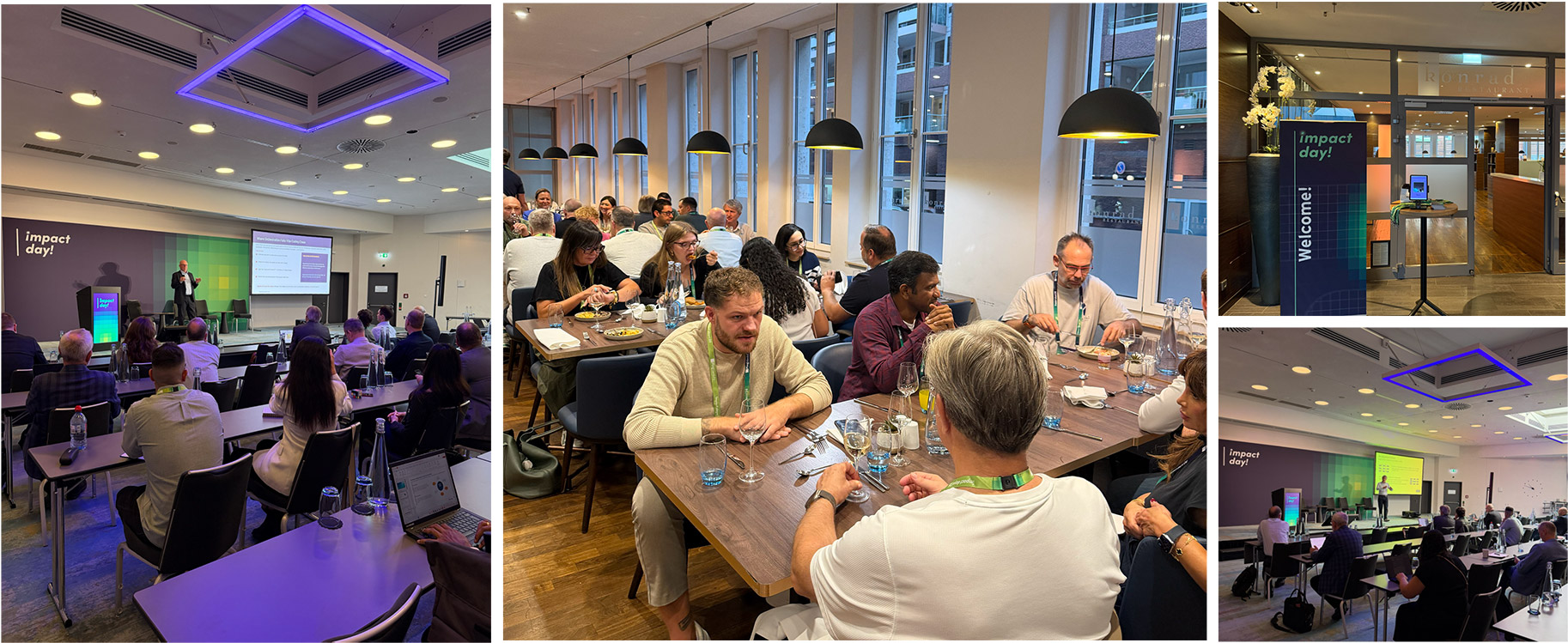
Those questions echoed the afternoon keynote, “The Fabric Is Not the Deliverable: The Triage You Run This Week,” and an earlier session on how team design becomes an identity capability. The agenda and the audience had arrived at the same place without coordinating.
KuppingerCole Lead Advisor Patrick Teichmann highlighted the panel on shadow IT sprawl:
“My personal highlight was the panel ‘Taming the Shadow IT Sprawl,’ where we discussed the nature of agents and where we had quite different approaches and views. All four agreed that you cannot govern what you cannot see, but they split on what follows from that: whether AI agents are a separate identity type requiring their own governance model, or simply the fastest-moving members of a non-human identity population we already know how to handle. This is always the most interesting part of such events. So I see this event as a kind of ‘pitstop’ for organizations, where they can check in on what has changed in the industry.”
Munich: The question moved from “where” to “who”
At AI & NHI Impact Day, variations of the same question surfaced at the end of more than one session: Who approved that?
The agenda had been circling the question all day. “Who Approved That? The One Question Your Agent Logs Cannot Answer.” “Every Machine Is Another Identity, but Who Authorized the Outcome?” “The Owner Is Not the Principal.” The panel title put it plainly: “Your AI Agent Is Not a Service Account.”
At the microphone, the questions became practical. If an agent acts on a task someone has given it, who is accountable for the result: the person who owns the agent or the person who made the request? Nobody in the room claimed to have a definitive answer.
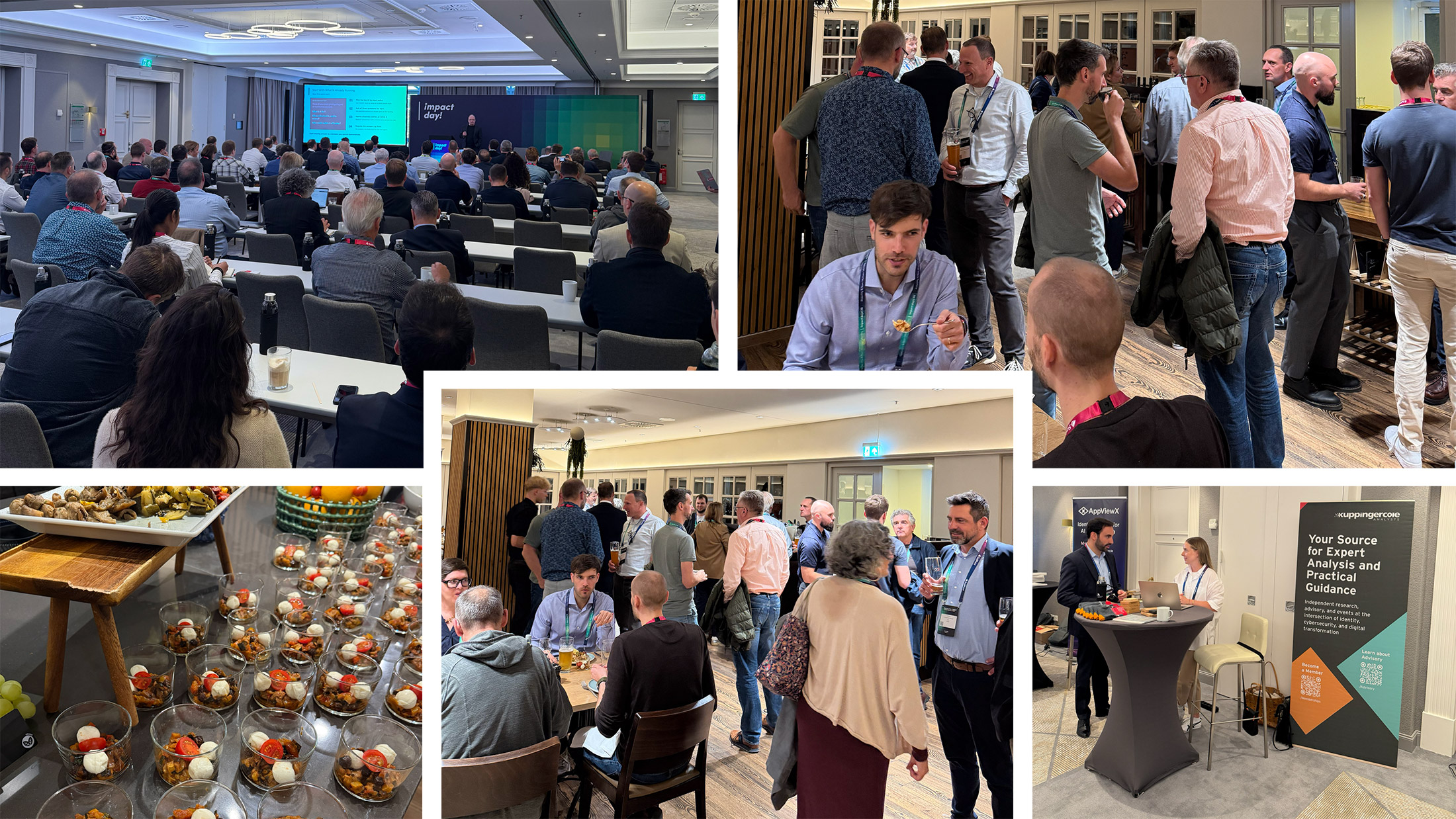
The registration desk had already illustrated a small version of the same problem. A badge carries a name and a company. It identifies you, but it doesn't tell you what you're authorized to do. Nobody at the event lent their badge to a colleague. Yet that's effectively how many agents operate today: using someone else's identity to get things done. One session on the program captured the principle in a single line: “Delegate Authority, Never Your Identity.”
We asked attendees what they enjoyed most, and their answers sounded a lot like the conversations in the corridors. Networking and open discussion came up repeatedly: meeting peers, hearing analysts' perspectives and exploring topics in greater depth. One attendee highlighted the concrete insights shared by Allianz, Mercedes-Benz, DIF and KuppingerCole. Others singled out the opening keynotes and Grace Rachmany's session on the question agent logs cannot answer.
One first-time KuppingerCole attendee called the day “flawless” and said it wouldn't be their last. Taken together, the feedback captures what made the day valuable: the sessions supplied the questions, and the breaks were where people tested them against someone else's setup.
What the two days have in common
Cologne was about how things connect. Munich was about who acts through those connections. Underneath both was the same unglamorous checklist: know what's there, know who owns it, and know who answers for it.
Nobody needed a new vocabulary for that. They needed ten minutes with someone who had a similar system.
Explore the sessions:
Next up: Customer Identity and Access Management
The next Impact Day turns the same questions towards the customer, with AI already on the other side of the login. The focus shifts to delivering secure, privacy-centric digital experiences while preparing for emerging identity ecosystems.
If Cologne asked what the fabric didn't reach and Munich asked who approved the agent, the next question is about the identity on the other side of the interaction: Is it a customer acting for themselves, an agent acting on their behalf, or something else entirely?
CIAM Impact Day takes place on November 18 at the Hilton Frankfurt. It's designed for identity professionals, digital leaders, security teams and customer experience specialists looking to understand what's next for customer identity.